
Herbicide-Free Commercial & Managed Property Work
Herbicide-free poison ivy removal for managed properties with regular public or resident use.
I work with schools, summer camps, farms, private estates, estate management companies, and other professionally managed properties across MetroWest Massachusetts. For properties where students, campers, residents, guests, visitors, employees, contractors, or volunteers pass through every day, I remove poison ivy by hand — no herbicides, no spray equipment, no re-entry intervals. The work is coordinated with your facilities, property, or estate team, documented at every stage, and scoped around the way people actually use the land.
§ Season Notice
The 2026 Calendar Is Closed
This season's schedule is fully committed, and I am not taking on new surveys or removals for the remainder of the year. The calendar reopens in spring 2027.
§ 01 · M.G.L. c. 132B & Herbicide Notifications
The administrative burden of a single herbicide application.
For schools and camps, a single outdoor herbicide application on school or camp grounds triggers a significant administrative cascade under the Massachusetts Children and Families Protection Act (CFPA) and state regulations (M.G.L. c. 132B and 333 CMR 14.00), overseen by MDAR.
That cascade includes issuing a Standard Written Notification (SWN) to all families 48 hours in advance, posting yellow warning signage for 72+ hours, enforcing an 8-hour keep-off rule, and legally retaining the application record for five years.
Because I hand-pull, there is no pesticide application from Weston Ivy League. Your IPM coordinator, compliance advisor, land manager, or property manager can confirm how your organization logs non-pesticide grounds work.
The notice that never goes out.
For a head of school, camp director, or facilities manager, the c. 132B cascade is more than paperwork. A single herbicide application means a formal written notification to every family 48 hours before the sprayer arrives, warning signage on the grounds for three days, and an eight-hour keep-off for students, campers, or program participants. Hand-pulling means none of that reaches a family or resident inbox. The work is completed, documented, and filed, and the only communication your families or residents receive about it is the one you choose to send. For estates, farms, and managed properties, the same hand-pulling approach avoids herbicide re-entry notices and application logs, so daily operations can continue without interruption.
Administrative triggers avoided
- Occupant notice
- Standard Written Notification issued 48 hours in advance
- On-site posting
- Yellow warning signage maintained for 72+ hours
- Keep-off interval
- 8-hour keep-off period after application
- Record retention
- Application record retained for five years
§ 02 · The Physical Hazard
Sprayed & Dead Vines Are Still Dangerous.
Spraying can kill the plant, but it doesn't physically remove urushiol-bearing vines, stems, and roots from fences, stone walls, trails, or the walkways people use every day. I hand-pull the identified plant material in the approved work zones, bag it, haul it off-site, and document what was removed. When I leave, the hazard is physically gone from the zones we agreed to clear.
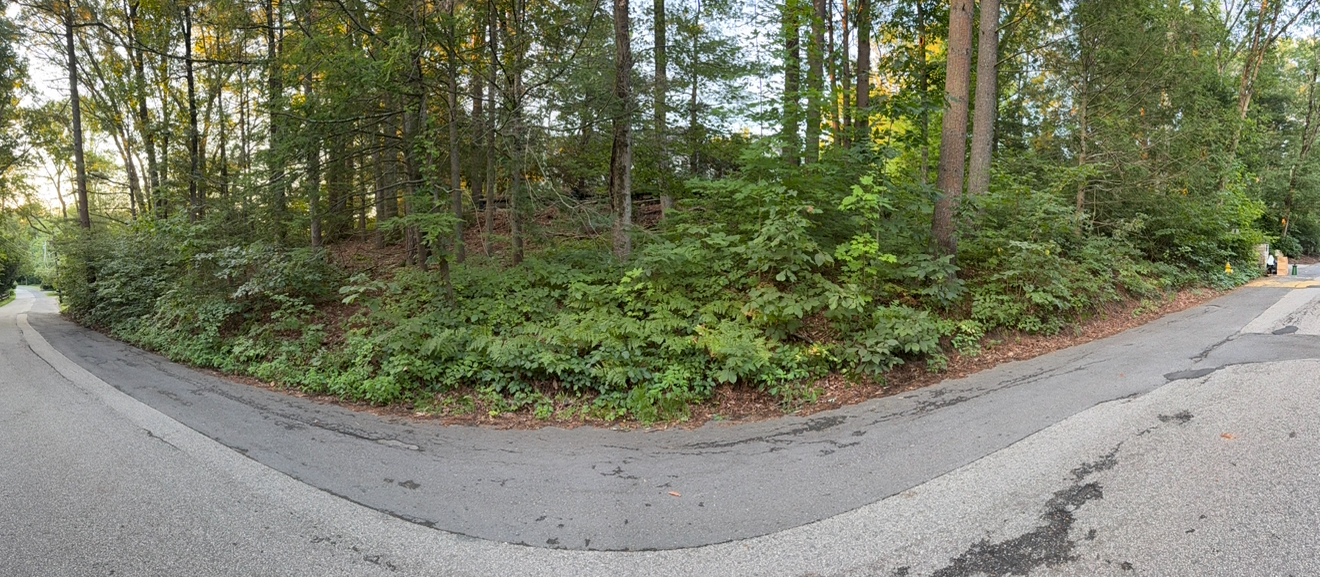
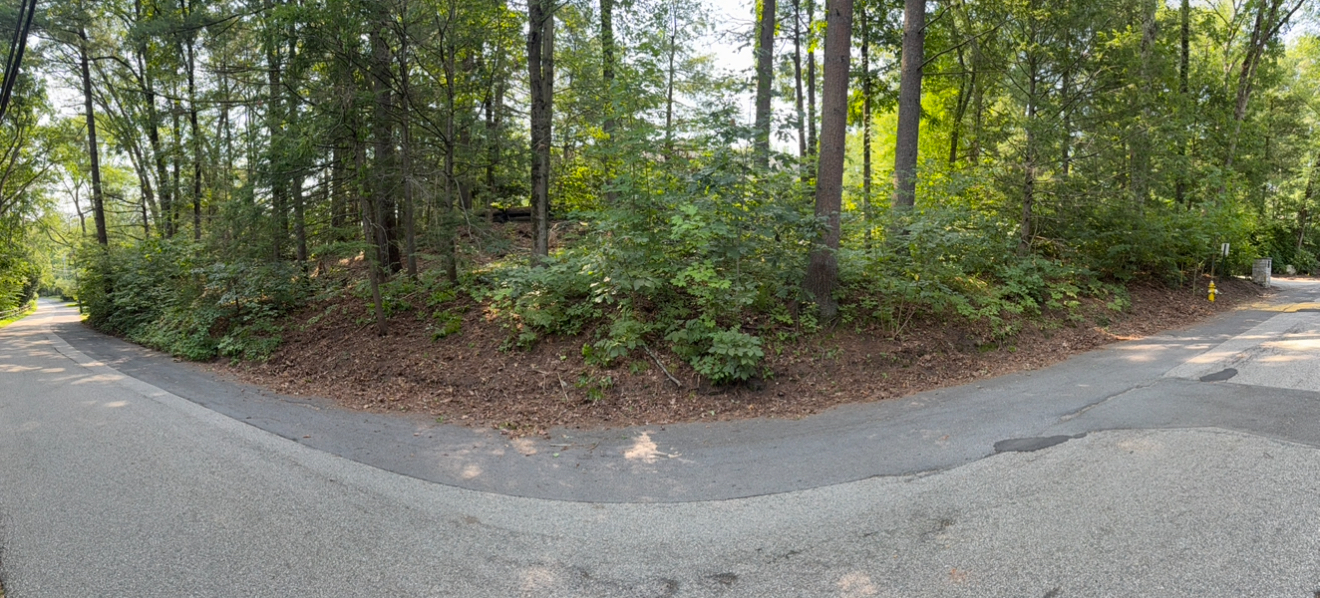
Fig. 1 — Road edge, before and after a single visit. Manual root removal, no chemicals applied.
§ 03 · Estates, Farms & Conservation Properties
Removal that fits managed land.
For certified-organic farms, estates with managed grounds, and conservation properties, a synthetic herbicide application is often not an option on the land you steward. Hand removal is. I extract poison ivy physically, roots included, with nothing applied to soil or plantings, and the debris leaves the property the same day. Your certifier, estate manager, or land manager confirms how the work is logged; from my side there is nothing to disclose, because nothing was applied.
The zones that matter most are the ones where people actually go: farm stands and CSA pickup areas, camp and children's program spaces, family and guest activity areas, volunteer beds and work rows, trail edges, pasture fence lines, parking margins, estate entrance drives, and guest or resident walkways. Anyone weeding by hand or walking a path is the easiest person on any property to expose. I clear the zones where hands and ankles actually go, document the work with before-and-after photographs, and leave a record your board, trust, or management office can file.
Many community farms, historic properties, and conservation land operate under management agreements or restrictions that limit chemical use regardless of certification. Hand-pulling fits inside those agreements. Where a zone touches a wetland buffer or a conservation restriction, I scope the work with your team before it begins and avoid work that requires approvals I don't have.
§ 04 · Private Estates & Estate Management
Specialized removal for distinguished properties.
Private estates, historic homes, and family compounds are built around landscapes that have been cultivated for decades — mature gardens, formal plantings, heirloom shrubs, and stone walls that anchor the character of the property. Poison ivy in these settings is not a groundskeeping oversight; it is an invasive problem that requires careful, targeted removal without disturbing the plantings that matter.
I work with estate owners, family offices, and estate management companies throughout MetroWest. The focus is on the areas where residents and guests actually live: play lawns for children and grandchildren, guest arrival areas, outdoor dining and entertaining spaces, pool terraces, garden walks, and the service paths that landscape crews use every week. Because the work is hand-pulling only, there are no herbicides, no spray equipment, and no re-entry intervals that interrupt a weekend, a party, or a family gathering.
I am not a replacement for your existing landscape team. Most distinguished properties already have a crew they trust for mowing, pruning, and seasonal maintenance. I complement that relationship by handling the one task most crews are not equipped to take on: the careful, complete, herbicide-free extraction of poison ivy roots, bagged and removed from the property. Your crew keeps the grounds beautiful; I remove the hazard that can make those grounds unsafe.
Before work begins, I walk the property with the estate manager, property manager, or homeowner to identify priority zones, note sensitive plantings, and agree on access. The work is documented with before-and-after photographs for the property file, and scheduling is arranged around the household calendar and the rhythm of the existing maintenance program.
§ 05 · Engagement
What happens after you call.
Worker vetting: Weston Ivy League is a one-person, owner-operated business. No subcontractors. No seasonal crews. I handle the survey, the proposal, the pulling, the bagging, and the final walkthrough personally — start to finish.
Site Work Record
Step 01
Walk the grounds
I walk the property with the person who holds the decision — a facilities director, head of school, camp director, farm manager, estate manager, property manager, or owner — so priority zones are identified firsthand alongside anyone whose routine touches them: residents, guests, employees, visitors, volunteers, or contractors.
Step 02
Document
I photograph and map the targeted areas to establish a baseline.
Step 03
Removal
Manual root removal during an agreed window — a school or camp break, a farm off-season, a quiet stretch between events or guest stays, a weekday the property is empty of residents and visitors, or a scheduled maintenance day when only staff and contractors are on-site. Zero herbicides. Zero spray equipment on the property.
Step 04
Documentation
Post-job written summary with before-and-after photographs, a record of pulled vines hauled off, and recommended follow-up schedule for regrowth checks.
§ 06 · Targeted Removal
Targeted removal where people walk, work, gather, and play.
For broad-acre clearing or wetland buffer work, I coordinate with your existing landscape contractor. My focus is narrower and more precise: careful hand-removal in the high-contact areas where students, campers, residents, guests, staff, and volunteers actually spend time.
-
Play & Recreation Edges
Play lawns, playgrounds, camp activity areas, sports field margins, and shaded borders.
-
Outdoor Learning & Event Spaces
Outdoor classrooms, estate gardens, event lawns, wedding lawns, seating circles, and woodland classrooms.
-
Gardens & Planted Beds
Raised beds, pollinator gardens, greenhouse edges, formal plantings, and maintained plots.
-
Sports Field & Lawn Edges
Sidelines, ball-retrieval zones, spectator edges, and wooded margins.
-
Trails & Trailheads
Cross-country routes, nature trails, access points, and wooded path edges.
-
Arrival & Parking Areas
Entrance drives, guest arrival lanes, pickup lines, waiting areas, walkways, and parking borders.
-
Fences, Walls & Property Edges
Stone walls, perimeter fencing, service paths, and back-of-property borders.
-
Event & Activity Areas
Camp gathering spaces, estate entertaining areas, ropes-course edges, festival lawns, and shaded activity zones.
-
Farm Stands & Pickup Areas
Stand surrounds, CSA pickup zones, queue lines, and parking edges.
-
Field Edges & Hedgerows
Crop bed margins, volunteer work areas, pasture fence lines, and hedgerow bases.
§ 07 · Vendor Compliance
Documentation for your risk-management file.
Operating facts your business office, property manager, or estate manager needs on file before a purchase order can be cut.
Local & Vetted
Based in Weston. Owner-operated end to end. I can complete required background checks (including CORI/SORI) before property work begins.
Fully Insured
Fully Insured. Carrying $3M in Commercial General Liability. Certificate of Insurance, Additional Insured endorsements, Waiver of Subrogation, and W-9 available upon request.
Wetlands-Sensitive Scoping
For wetlands buffer or conservation-sensitive areas, I scope the work with your facilities or land-management team before removal begins and avoid work that requires approvals I don't have.
Audit-Ready Documentation
You receive a before-and-after photographic record for your insurance or property file. If a question comes up later, you have before-and-after documentation showing what was identified, what was removed, and which zones were cleared.
§ 08 · Commercial & Managed Property Q&A
Common questions from commercial & managed properties.
Q.
Do you use herbicides?
+—
Do you use herbicides?
No. I don't apply herbicides. My work on managed properties is manual identification, hand-pulling, bagging, removal, and documentation.
Q.
Does this count as a pesticide application under Massachusetts law?
+—
Does this count as a pesticide application under Massachusetts law?
Most landscapers use herbicides, which trigger notification and re-entry requirements for schools, camps, farms, estates, and many managed properties. Because I only hand-pull, there is no pesticide application from Weston Ivy League. I work alongside your existing grounds team to provide the documented, herbicide-free extraction they're not set up to do.
Q.
Is removal permanent?
+—
Is removal permanent?
No responsible poison ivy company should promise permanent eradication. Birds can reseed poison ivy. The goal is to remove existing plant material from high-contact areas and manage regrowth through follow-up checks.
Q.
Can you work while the property is in use?
+—
Can you work while the property is in use?
Because hand-pulling carries no pesticide re-entry interval, I can safely clear zones without disrupting daily operations, events, or guest stays. For busy periods, I work after hours, on weekends, or during scheduled maintenance windows.
Q.
What is included in the post-job documentation?
+—
What is included in the post-job documentation?
A written summary, before-and-after photographs of each zone, a record of the pulled vines hauled off, and a recommended follow-up schedule.
Q.
What happens if a root regrows?
+—
What happens if a root regrows?
Poison ivy has complex, fragile lateral root systems. While physical excavation is highly effective, native ecosystems are dynamic. I offer optional 60- or 90-day follow-up sweeps to inspect previously cleared zones and hand-pull any latent regrowth.
Q.
We're certified organic. Does your work affect our certification?
+—
We're certified organic. Does your work affect our certification?
No products are applied. The work is physical extraction and off-site disposal, which is consistent with organic management. How you log grounds work is between you and your certifier or land manager; there is no application to report.
Q.
Can you work around active growing beds?
+—
Can you work around active growing beds?
Yes. Hand extraction is precise enough to work along bed edges, fence lines, and hedgerows without disturbing crops or plantings. Where a root runs under something I can't disturb, I document it and tell you plainly what was left and why.
Q.
Will you replace our existing landscaper or grounds crew?
+—
Will you replace our existing landscaper or grounds crew?
No. I work as a specialist in poison ivy identification and manual removal, complementing your existing landscape team. Most crews handle mowing, pruning, planting, and general maintenance; they are not usually set up to safely excavate poison ivy root systems by hand. I focus on the specific extraction and documentation, then your team resumes its regular care.
Q.
Can you work in historic or formal gardens?
+—
Can you work in historic or formal gardens?
Yes. Hand extraction is precise enough to work around mature specimen plants, formal hedges, perennial borders, and delicate root zones. I document what was removed and flag any sensitive areas that should be left for your garden team.
Q.
Do you coordinate with estate maintenance teams?
+—
Do you coordinate with estate maintenance teams?
Yes. I schedule site walks and removal windows with your estate manager, property manager, or head gardener. The goal is to remove poison ivy from high-traffic and high-visibility areas without disrupting your regular maintenance rhythm or your household's use of the grounds.
Q.
Do you take on large private estates or extensive acreage?
+—
Do you take on large private estates or extensive acreage?
Yes. I prioritize zones by risk and use—driveways, entrances, walkways, play areas, garden edges, sports courts, barns, and outbuildings—then return for follow-up sweeps across the property. Large properties are typically handled in phases with a written plan and documentation after each visit.
Q.
Is your method compatible with organic, pollinator-friendly, or chemical-free landscapes?
+—
Is your method compatible with organic, pollinator-friendly, or chemical-free landscapes?
Yes. No herbicides or synthetic products are applied. Removal is entirely by hand, with vines bagged and removed off-site. That makes the work suitable for organic farms, conservation land, pollinator gardens, and estates that want to keep chemical applications off the property.
§ 09 · Season Notice
The 2026 Calendar Is Closed
This season's schedule is fully committed, and I am not taking on new surveys or removals for the remainder of the year. The calendar reopens in spring 2027.
krister@westonivyleague.comDisclaimer
Based in Weston, Massachusetts. Serving commercial & managed properties across MetroWest — including schools, summer camps, farms, estates, conservation organizations, historic properties, and municipal properties — in Weston, Wayland, Wellesley, Lincoln, Newton, Sudbury, Concord, and Lexington, and surrounding towns. This page is not legal advice. Schools and camps should consult their IPM coordinator or compliance advisor; farms, estates, conservation properties, and managed properties should consult their certifier, land manager, or property manager for requirements specific to their operation.